Tunapoadhimisha miaka 50 tangu msingi wa CIP na CGIAR, you can be proud of our collective achievement. Our work has improved the lives of millions. Since 2010 alone, CIP’s innovations have reached nearly 9 million households, contributing to diet diversity, climate resilience, and inclusive livelihoods. The Msingi wa SOAR recently estimated that CIP has generated USD 10 for each dollar invested. Just two innovations widely adopted in China—the Aina ya viazi C88 na mafunzo na teknolojia ya kuzalisha mbegu ya viazi vitamu isiyo na virusi — iliyozalisha faida zaidi ya dola bilioni 6 kwa zaidi ya miaka 30. Kwa kifupi, kazi yetu imekuwa uwekezaji thabiti.
It isn’t always easy to measure the impact of single innovations. Research takes time to generate returns, but once adopted, those returns can flow for decades. Much of CIP’s earlier work laid the foundations for future success. Early scientists, Carlos Ochoa and Alberto Salas, collected potatoes for the genebank, traveling for weeks, often on horseback, in remote regions of the Andes beset by terrorism. Without their expertise and determination, much of the crop improvement we now take for granted may not have been possible.
Tano miongo kadhaa ya uboreshaji wa mazao has enabled farmers to overcome immense challenges such as limited land and climate change to generate more food and income for their families and communities; nearly 3 million farmers in Asia grow CIP-related varieties, nearly a third of land dedicated to potato production in Peru is planted with CIP–related varieties, and CIP-bred Victoria variety has contributed over USD 1 billion to the Uchumi wa Uganda. Teknolojia za jeni zinatoa suluhisho za kubadilisha mchezo kwa wakulima kwa faida kubwa zaidi.
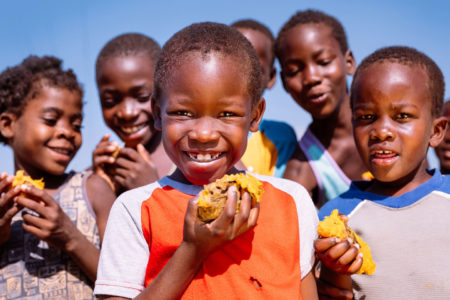
Mawazo mazuri, sayansi na kujitolea kulisaidia kubadilisha viazi vitamu kutoka kwa zao la yatima na kuwa mwokozi wa lishe. Baada ya maombi ya mara kwa mara kwa wafadhili, Jan Low mwishowe alipokea ufadhili wa utafiti wa 'uthibitisho wa dhana' ambao ulithibitisha viazi vitamu vinaweza kupunguzwa upungufu wa vitamini A among rural families in Africa. Together with Maria Andrade and Robert Mwanga, multi-disciplinary teams of CIP scientists built broad coalitions of partners to scale nutrition innovations. These efforts have reached more than 6.8 million households in over 20 countries and helped convince national governments and regional organizations to include biofortified crops in their nutrition strategies and investment plans.
Afya maendeleo ya kiuchumi yanahitaji ukuaji wa umoja na CIP has worked on many fronts to improve livelihoods. CIP and partners have strengthened markets for native potatoes for an estimated 100,000+ small agri- and other businesses in the Andes, used a similar approach to catalyze hundreds of community enterprises and improved market linkages in Africa and Asia. Biofortified sweetpotato puree is finding healthy appetites as an ingredient in the sekta ya mikate nchini Kenya, kuzalisha mahitaji ya vyakula vyenye lishe na mapato kwa wakulima. Mauzo ya kila mwaka ya bidhaa zenye msingi wa puree sasa huzidi Dola milioni 1, na mahitaji yanayoweza kukadiriwa kuwa Dola 5 milioni kila mwaka.
Kwa miaka mingi ubunifu wetu umezaa ubunifu zaidi, na kuunda mifumo ya mazingira na nguvu. Lakini ubunifu huanza na watu. Tangu mwanzo, mafanikio yetu pia yalitegemea msaada mkubwa kutoka kwa nchi zetu za mwenyeji, haswa Peru, mtandao wetu wa timu zinazostahimili, mipango ya utafiti na ushirikiano. Ushirikiano ni sehemu ya DNA yetu, na kupitia uongozi wetu wa RTB, na njia zake za katikati ya mazao mengi, mitandao yetu imepanuka sana.
Fifty years ago, a group of visionaries had the foresight and determination to establish a research center for resource-poor farming communities. Now that CIP has turned 50, where does it go next? Our scientists have brought untold innovations and technologies to farmers. But our fast-growing world in the midst of a climate crisis needs more collaboration than ever before. Not just on crop technologies, but solutions to water shortages, land degradation and climate change.
The future lies with more partnerships, like those with McCain Foods and the World Food Programme to accelerate availability of nutritious foods for resource-poor families across Africa and Asia. The future lies with interventions like the Mpango wa Andes na Lima 2035, ambazo zinatafuta kushughulikia mkabala kamili wa mabadiliko ya mifumo ya chakula, kutumia bioanuwai na mila ya kitamaduni kubadilisha maisha. Baadaye yetu iko kama mwanachama mwenye nguvu wa CGIAR Moja. Kuleta vituo vyetu pamoja, tunaweza kutoa suluhisho kamili-mazao, mifugo, teknolojia ya ardhi na maji-ili raia wa nchi zinazoendelea, waweze kufurahiya maisha bora, endelevu na yenye usawa sasa na katika siku zijazo.